Last Updated: Monday, July 27, 2026
Florida Security Deposit Laws
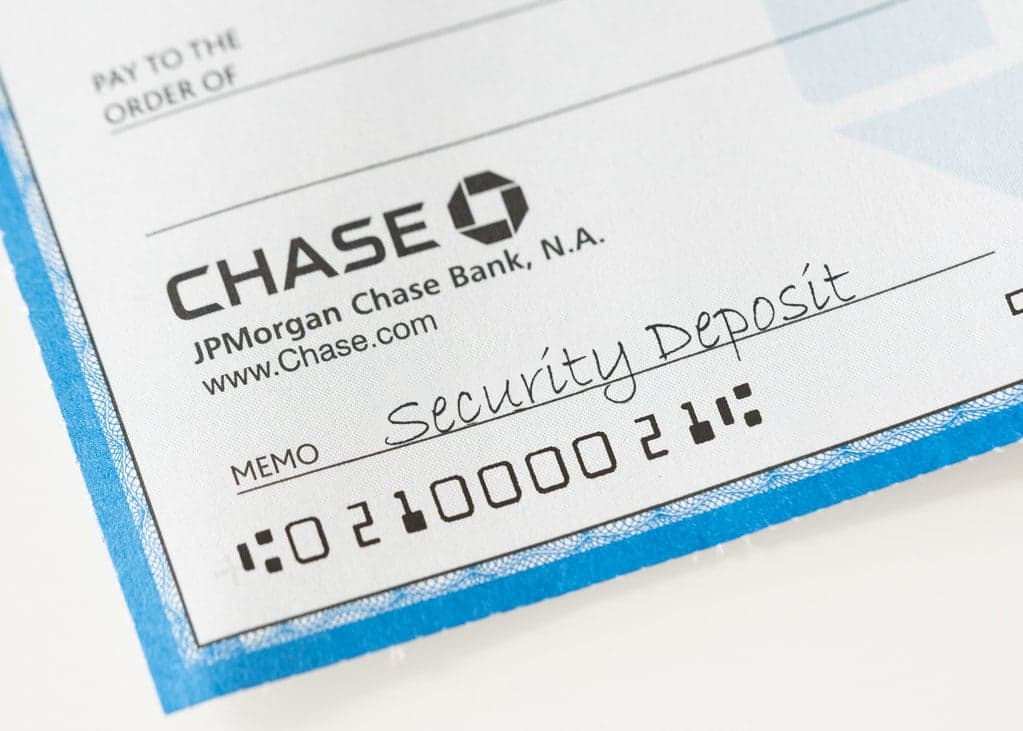
When a person rents a home in Florida, they are typically required to pay a security deposit. Landlords almost always require this deposit as a way to secure the rental property and ensure that the tenant fulfills the lease obligations. When a tenant moves out, the security deposit must be returned to them, minus any deductions for property damage, unpaid utility bills, any charges or fees allowed by the lease, and/or unpaid rent.
Under Florida’s landlord-tenant law, there are strict rules for how landlords must handle security deposits. While there is no limit on how much a landlord can charge for a security deposit, Florida law requires landlords to securely store security deposits in a separate account or to post a security bond. There is also a procedure for returning security deposits to tenants and/or for making deductions when warranted.
At Eaton Realty, we offer experienced property management services to landlords throughout Hillsborough County. We can take on administrative tasks like rental property inspections and tenant notices for you, freeing you up to earn truly passive income. Reach out to our property management team today to learn more about how we can help you maximize your rental property profits.
Handling Security Deposits
In Florida, there is no limit on the amount of security deposit that a landlord can charge. Typically, residential landlords charge (at most) 1 to 2 months’ rent as a security deposit. This is simply a practical matter, as most tenants will look elsewhere rather than pay an exorbitant security deposit.
Florida Rules On Storing Security Deposits
There are rules on how Florida landlords handle security deposits. There are three options for storing security deposits:
- The security deposit can be deposited in a non-interest-bearing account at a Florida bank. This account can only hold security deposits.
- The security deposit can be deposited in an interest-bearing account at a Florida bank. If a security deposit is held in an interest-bearing account, then the landlord must credit the tenant with 75% of the accrued interest or 5% simple interest per year on the amount of the security deposit. Only security deposits can be held in this account.
- Alternatively, the landlord can post a surety bond from a company authorized to offer such bonds in the circuit court of the county where the rental property is located. The surety bond must be for the smaller of the security deposit amount or $50,000. In addition to the bond, the landlord will be required to pay the tenant 5% simple interest per year on the amount of the security deposit.
These rules are meant to ensure that landlords will fulfill their obligations when it comes to holding the security deposit for the tenant, making a proper accounting of any damages, and returning the appropriate amount to the tenant.
Landlords who own rental properties in 5 or more counties in Florida may post a bond with the Secretary of State for $250,000 or the total amount of all security deposits held, instead of posting a bond in each county. This can simplify the process for landlords with more diverse real estate holdings.
Florida Rules On Notifying Tenants Of Security Deposit Storage
Finally, after a landlord receives a security deposit from a tenant, they have 30 days to decide how to handle it and inform the tenant. Alternatively, the landlord can specify how the security deposit will be handled in the lease. If the landlord provides written notice, it must be mailed, handed to, or e-mailed to the tenant and include the following information:
- The name and address of the financial institution where the security deposit is being held, or state that the landlord has posted a surety bond;
- Whether the tenant is entitled to interest on the security deposit.
- Include the following disclosure:
OUR RENTAL AGREEMENT REQUIRES PAYMENT OF CERTAIN DEPOSITS. THE LANDLORD MAY TRANSFER ADVANCE RENTS TO THE LANDLORD’S ACCOUNT AS THEY ARE DUE AND WITHOUT NOTICE. WHEN YOU MOVE OUT, YOU MUST GIVE THE LANDLORD YOUR NEW ADDRESS SO THAT THE LANDLORD CAN SEND YOU NOTICES REGARDING YOUR DEPOSIT. THE LANDLORD MUST PROVIDE YOU WRITTEN NOTICE IN PERSON, BY MAIL, OR BY E-MAIL IN ACCORDANCE WITH SECTION 83.505, FLORIDA STATUTES, WITHIN 30 DAYS AFTER YOU MOVE OUT, OF THE LANDLORD’S INTENT TO IMPOSE A CLAIM AGAINST THE DEPOSIT. IF YOU DO NOT REPLY TO THE LANDLORD STATING YOUR OBJECTION TO THE CLAIM WITHIN 15 DAYS AFTER RECEIPT OF THE LANDLORD’S WRITTEN NOTICE, THE LANDLORD WILL COLLECT THE CLAIM AND MUST MAIL YOU THE REMAINING DEPOSIT, IF ANY.
IF THE LANDLORD FAILS TO TIMELY PROVIDE YOU NOTICE, THE LANDLORD MUST RETURN THE DEPOSIT BUT MAY LATER FILE A LAWSUIT AGAINST YOU FOR DAMAGES. IF YOU FAIL TO TIMELY OBJECT TO A CLAIM, THE LANDLORD MAY COLLECT FROM THE DEPOSIT, BUT YOU MAY LATER FILE A LAWSUIT CLAIMING A REFUND.
YOU SHOULD ATTEMPT TO INFORMALLY RESOLVE ANY DISPUTE BEFORE FILING A LAWSUIT. GENERALLY, THE PARTY IN WHOSE FAVOR A JUDGMENT IS RENDERED WILL BE AWARDED COSTS AND ATTORNEY FEES PAYABLE BY THE LOSING PARTY.
THIS DISCLOSURE IS BASIC. PLEASE REFER TO PART II OF CHAPTER 83, FLORIDA STATUTES, TO DETERMINE YOUR LEGAL RIGHTS AND OBLIGATIONS.
If a landlord decides to change how a security deposit is held, they have 30 days from making the change to notify the tenant. Changes may include actions such as transferring the funds to a new bank or bank account.
While these rules are relatively straightforward, they can require a bit of paperwork. If you want to streamline the process and make sure that you are compliant with Florida law, reach out to talk to our experienced team of Hillsborough County property managers.
Returning Security Deposits
Under Florida law, a landlord is not required to return a tenant’s security deposit until after the tenant vacates the rental property. After this occurs, a landlord has 15 days to return the security deposit if there are no claims for property damage or other losses.
Florida Rules On Making A Claim Against A Security Deposit
If a landlord plans to make a claim against the security deposit, the landlord has 30 days to notify the tenant of the claim. Deductions from a security deposit can be made for a variety of reasons, including:
- Unpaid rent
- Charges for early termination of the lease or other fees permitted by the lease
- Money lost because of the tenant’s violation of the lease
- Repair or replacement costs for damage beyond normal wear and tear
- Cleaning costs, if the required cleaning is excessive (more than typical), and the tenant left the unit in worse condition than what could be attributed to normal wear and tear
- Unpaid utility bills, if the tenant is required by the lease to pay utilities
A notice of a claim against a security deposit must be made in writing and sent by certified mail to the tenant’s last known address. It must include the following information:
- The landlord’s intention to make a claim on the security deposit.
- The amount of the claim.
- The reason for the claim.
After a tenant receives a notice of claim, they have 15 days to object. Just like the original notice, the objection should be in writing and sent to the landlord via certified mail. If a tenant does object to the claim, then the landlord is required by Florida law to hold the security deposit until the dispute is resolved.
If the tenant fails to object to the claim within that 15-day period, then the landlord can deduct the claim amount from the security deposit. If there is any money left, the landlord must return it to the tenant. Even if the tenant does not object to the claim, they can still potentially sue the landlord for a refund of the security deposit or the amount deducted by the landlord.
If a landlord fails to send a notice of claim within 30 days after the tenant moves out, then the landlord loses their right to make a claim against the security deposit. In this situation, the landlord is required to return the entire security deposit to the tenant.
However, the landlord can still pursue a claim against the tenant for any property damage or other losses. Alternatively, if the tenant sues the landlord for their security deposit, the landlord can make a counterclaim. These claims are typically made in small claims court, which is for disputes with a dollar amount of $8,000 or less.
The Importance Of Documenting Property Damage
Landlords should be careful to document any damage to a rental property so that they have a legal basis for making a claim against a security deposit. If the case ultimately goes to court, this evidence will be incredibly important to prove that the damage occurred and the tenant is liable.
At Eaton Realty, our Tampa property managers conduct comprehensive rental property walkthroughs at the start of the lease term and again when a tenant vacates the property. We use a detailed checklist and take photos or videos to note any damage or issues with the rental unit, such as holes in the walls, stained carpet, or broken doors. This allows us to schedule repairs if necessary. It can also be used as proof that a tenant caused the damage and should be responsible for paying for the repair or replacement costs.
Make Your Investment Passive & Let Us Focus On Legal Compliance
Florida’s landlord-tenant laws are designed to balance protecting both tenants and landlords. On the landlord side, it is incredibly important that you comply with these laws to avoid financial penalties and other issues. Our experienced property managers can help you with the process, providing expert advice and guidance to ease the day-to-day burdens of being a landlord in Florida. We can help you turn your investment property into an investment that is truly passive income.
Based in Lithia, Eaton Realty offers property management services to landlords in Hillsborough County. We can take care of all of the details for you, from marketing and showing your properties to screening tenants, handling rent and security deposits, and inspecting your properties. We can also help you understand your obligations under Florida law when it comes to holding security deposits, taking deductions, and providing notices to tenants.
To learn more about our property management services, fill out our online contact form or call our office at 813-672-8022.
